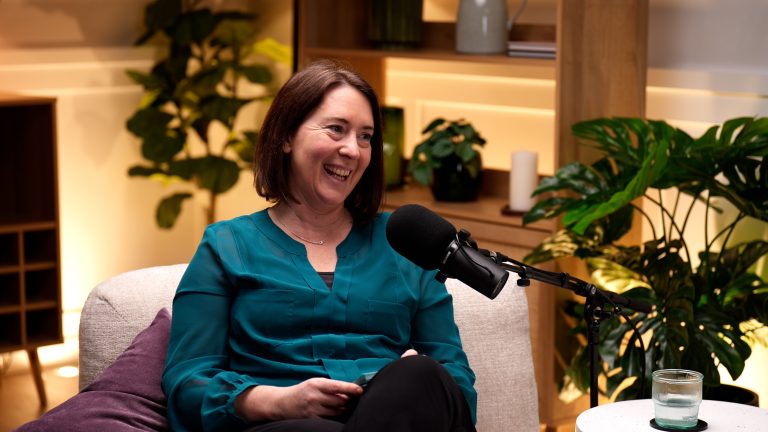
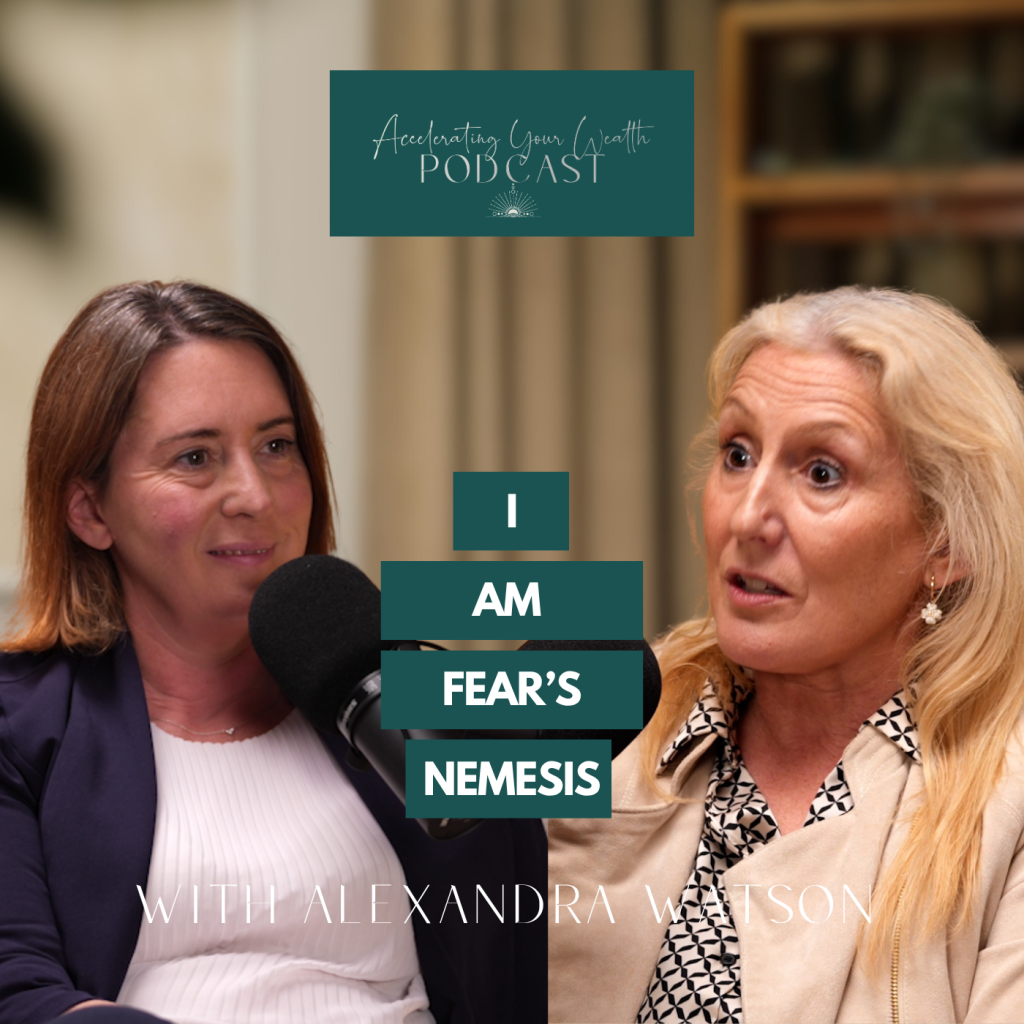
For thirty years, Alexandra Watson has coached women at every level of business from Olympic athletes to boardroom directors and today she is recognised as one of the UK’s leading voices on female leadership. But her own career path, she admits, has been anything but a straight line.
Speaking on the *Accelerating Your Wealth* podcast with host Rebecca Robertson, the founder of the Leadership School for Women looked back on a career that began not in coaching, but on tour with a pop icon.
From Working with Prince to Building a Coaching Empire
Long before she was training executives and entrepreneurs, Watson worked with Prince early in her career an experience she still counts among the highlights of her professional life. Watching him command a stage, she says, was a masterclass in performance and work ethic that she carried into everything she did afterwards.
From there she moved into marketing and PR, throwing herself into the role with total enthusiasm only to find something missing. Bored in the boardroom, she began to sense she would “put her ladder up against the wrong wall.” A chance recommendation to listen to Tony Robbins on cassette tape changed the course of her career: one line in particular *what would you do if you knew you could not fail? * Sent her looking into the then-unheard-of world of life coaching. She converted her existing marketing clients into her first coaching clients and never looked back.
Fear Is "Clever" and It's the Real Enemy
Ask Watson what gets in the way of women stepping into leadership, and she does not hesitate: fear. Not obstacles, not circumstance fear, and its ability to disguise itself as rationality or good sense.
Her coaching centres on three pillars of emotional intelligence: self-awareness, self-esteem, and self-management. As clients grow in those three areas, she says, fear naturally loses its grip. Part of her job, as she describes it, is simply pointing out to a client when they are speaking *through* fear rather than through their more confident, capable self what she playfully calls “goddess mode.”
She is careful to draw a distinction: she is never frustrated with the women she coaches, only with fear itself. “I am fear’s nemesis,” she says and once a client learns to recognise fear’s tell-tale signs, progress tends to accelerate quickly.
The People-Pleasing Trap
A recurring theme in the conversation was the tendency among women in leadership to prioritise everyone else’s comfort ahead of their own goals something Robertson herself admitted to experiencing when she started her own business years earlier. Watson traces people-pleasing back to the same root cause as most of the patterns she sees in her clients: self-esteem.
Her approach is practical rather than abstract: help clients notice the moment they are about to people-please and reframe the response before it happens. Repeated enough times, that catch-and-reframe habit becomes second nature and, she argues, makes for a *better* leader, not a weaker one, because leadership inevitably needs decisions that will not please everyone.
Fixing the Fear of Being Heard
Watson’s advice for women who go quiet in meetings the “don’t pick me, don’t ask me” instinct comes down to five practical levers she coaches clients on:
– Owning your visibility
– Articulating with purpose
– Building a clear leadership brand
– Making quick decisions
– Differentiating yourself from others
Hesitation, she warns, reads as weakness to other people, even when it is not meant to. Her advice is simple: score yourself out of ten on each of the five, then work to nudge each score up.
New Legislation, Old Problems
The conversation turned to UK workplace legislation coming into effect in 2027 addressing equal pay, harassment, and menopause support issues Watson says are forcing HR departments to take women’s leadership development seriously rather than treating it as a box-ticking exercise. Her frustration is with generic programming: a single “inspiring” conference talk, she argues, does not create lasting internal change. What’s needed, in her view, is sustained personal development that precedes and underpins professional development.
She also pointed to a wave of experienced, senior women leaving the workforce early, burnt out by a system, she says, that was built by men for men rather than designed around how women think and lead.
Widowed at 30, and the Conversation Every Couple Should Have
The interview took a personal turn when Watson discussed becoming a single parent after her husband died of cancer when their son was eight months old, following a five-year illness. Because the diagnosis gave them time, she and her husband were able to have full conversations about finances before he passed sparing her the additional burden faced by a friend in a similar situation, whose husband’s sudden reluctance to discuss money left her without access to passwords, pensions or accounts after his death.
Watson’s takeaway, one she repeats often: get financially literate with your partner, regardless of your life stage, because nobody knows what is coming.
She also spoke candidly about how she processes pressure intellectually dismissing stress in her head while her body eventually forces her to stop and rest, whether she is ready to admit she needs it or not.
The Advice She'd Give Any Woman Building a Career
Asked what she would do differently across thirty years in business; Watson did not claim to have no regrets. Her honest answer: chasing too many “shiny objects” instead of staying focused on what was already working. Her enduring advice for entrepreneurs and executives alike is that nothing builds a career or a brand like visibility and speaking showing up, having a point of view, and being seen, whether that’s on a stage in front of hundreds or in a monthly team meeting of twenty.
She closed with a message she wants every listener to take away: your career is your own responsibility. Do not wait for permission, a promotion, or someone else to fix the culture around you.
“It’s your job to serve yourself, get your career where you want it to be — whether you own a business or are an executive. This is your career. It’s your life.”
About Alexandra Watson: Founder of the Leadership School for Women, Watson has spent three decades coaching women in business, from entrepreneurs to Olympic athletes to corporate executives, and is recognised as a leading voice on female leadership in the UK.
Rebecca Robertson in the Accelerating Your Wealth podcast.