
Money questions rarely come one at a time. They arrive in clusters — mortgages, pensions, bonuses, business profits, inheritance, savings, tax, and the constant worry of whether you’re doing the right thing. That’s exactly why Ask Becky Anything exists: to give people straight, practical, real‑world answers to the financial questions that keep them awake at night.
In this episode, two women ask the kinds of questions thousands of people quietly wonder about. One is trying to secure her first mortgage as a sole trader. The other wants to know how much she should contribute to her pension so she can retire early and travel the world. Their situations are different, but the underlying theme is the same: how do you make smart financial decisions when you’re self‑employed, responsible for your own income, and trying to build a secure future?
This blog brings together Becky’s guidance in a clear, narrative format — so you can follow the logic, understand the reasoning, and apply the advice to your own life.
Getting Your First Mortgage as a Sole Trader
Natalie’s question is one that many self‑employed people ask: how do you get a mortgage when your income isn’t a neat, predictable salary? Becky’s answer begins with the foundation of any mortgage application — your credit rating. Before you even think about lenders, deposits or affordability calculators, you need to know what your credit file says about you. Registering with a credit agency such as Experian allows you to monitor changes, spot errors, and receive alerts if anything suspicious appears in your name.
From there, Becky explains the importance of reviewing your own bank statements. Lenders don’t just look at income; they look at spending habits, regular payments, subscriptions, and anything that might indicate financial instability. Tidying up your bank statements isn’t about pretending to be someone else — it’s about presenting the most accurate and responsible version of your financial life.
For sole traders, the accounts matter just as much as the bank statements. Mortgage lenders will look at your net profit, not your turnover. That means the more profit you show, the stronger your application will be. Becky acknowledges the uncomfortable truth: sometimes you need to reduce your business expenses and pay more tax in the short term to strengthen your mortgage position in the long term. It’s not fun, but it’s strategic.
She also encourages people to use online affordability calculators from major lenders. These tools allow you to input your profit figures and get a rough estimate of how much you could borrow. It’s not a guarantee, but it gives you a realistic starting point.
And then there’s the option many people overlook: speaking to multiple mortgage brokers. Different brokers have access to different lenders, and some specialise in self‑employed applications. Becky reminds listeners that Evolution Financial Planning has independent brokers available, but she also encourages people to explore local options and compare advice.
Finally, Becky introduces a practical strategy for first‑time buyers: registering with local right‑to‑buy or shared‑ownership schemes. New developments often allocate a percentage of homes to these programmes, and being on the list means you’ll be notified early. Shared ownership allows you to buy a portion of the property and rent the rest, gradually increasing your share as your income grows. For many self‑employed people, this creates a realistic pathway to homeownership without needing a large upfront deposit.
How Much Should You Put Into Your Pension?
Samantha’s question resonates with many business owners: how much should she contribute to her pension if she wants to retire in 10 years and travel the world? Becky’s answer begins with the most important truth — “how much is enough” is different for everyone. It depends entirely on the lifestyle you want, the income you’ll need, and the size of the pension pot required to sustain that lifestyle.
Becky encourages Samantha to start by identifying her desired annual income in retirement. Whether it’s £30,000, £40,000 or more, that number becomes the anchor for all future calculations. From there, she recommends using the government’s MoneyHelper website, which includes a pension calculator that lets you enter your current pot, monthly contributions, and target retirement age. The tool then estimates how much income your pension could generate.
This process isn’t just about seeing whether your current contributions are enough — it’s about experimenting. You can adjust the monthly amount, change the retirement age, or modify the lump sum you plan to take. Each adjustment shows how your future income changes, giving you a clear sense of what’s realistic and what needs to shift.
But Becky also emphasises that pension planning isn’t only about contributions. It’s about ensuring your pension is in the right place. Charges, platform fees, investment performance and adviser costs all affect how quickly your pension grows. She encourages listeners to review their pensions regularly, check performance over five years rather than one, and make sure they’re receiving value from any adviser they’re paying.
For people with multiple pensions from past jobs, Becky highlights the importance of reviewing each pot individually. Some may be outdated, expensive or underperforming. Others may be perfectly fine. A financial planner can help consolidate or restructure them, but the key is understanding what you have before making decisions.
The Bigger Picture — Financial Planning Is About Clarity, Not Guesswork
Both Natalie and Samantha’s questions reveal a deeper truth: financial planning isn’t about guessing. It’s about clarity. Whether you’re trying to buy your first home or retire early, the process begins with understanding your numbers, reviewing your habits, and using the tools available to make informed decisions.
Becky’s advice is practical, grounded and accessible. She doesn’t promise shortcuts or magic solutions. Instead, she offers a roadmap that anyone can follow, regardless of income, background, or financial confidence.
And that’s the heart of Ask Becky Anything: empowering people to make decisions that shape their future with confidence rather than fear.
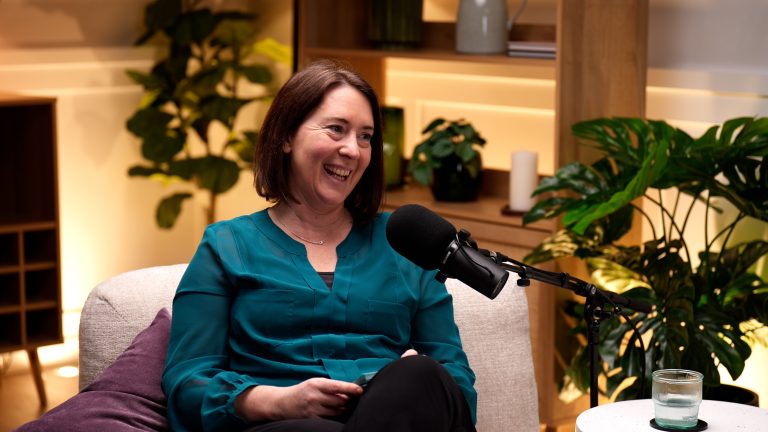
Rebecca Robertson in the Accelerating Your Wealth podcast.