
Financial planning should reflect the life you actually want to live. But for people in the LGBTQ+ community, there can be additional considerations that make financial planning more complicated.
From potential differences in earnings and access to family support to housing costs, family planning, pensions and estate planning, there are several areas where careful financial planning can make a significant difference.
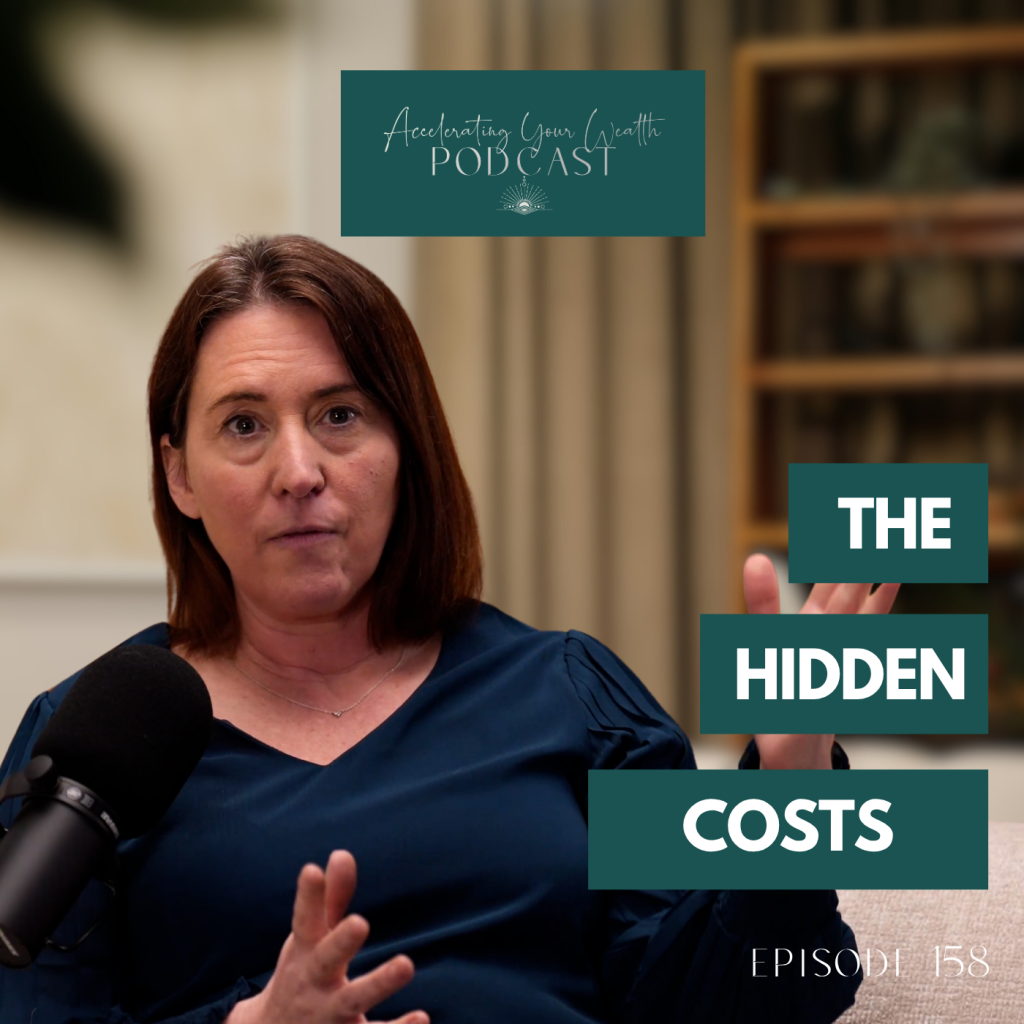
In this episode of Accelerating Your Wealth, Rebecca Robertson, independent financial adviser and wealth coach at Evolution Financial Planning, explores some of these challenges and explains why financial planning should never be based on assumptions about what a traditional family or relationship looks like.
Understanding the Financial Challenges
Financial challenges can affect anyone, but members of the LGBTQ+ community may face additional barriers.
Career progression, income, and long-term earning potential can all be affected by discrimination or difficulties being open about your identity in the workplace. Over time, lower earnings can have a knock-on effect on savings and pension contributions.
There may also be less financial support available from family. For some people, relationships with family members may be strained, meaning they may have had to become financially independent at a younger age.
Housing can be another consideration. Someone may choose to live in an area where they feel safer or more comfortable, potentially limiting their options and increasing their living costs.
These issues can all contribute to a more complicated financial picture.
Relationships Don’t Have to Follow Traditional Financial Roles
Financial roles within a relationship are not necessarily decided by gender.
Rebecca explains that the same dynamics she sees in heterosexual couples can also appear in same-sex relationships, but without the traditional assumptions about who should be the breadwinner or who should take responsibility for caring for children.
For example, one partner may be the higher earner while the other works part-time around childcare. The higher earner may feel significant pressure to continue working and providing financially, even if they would prefer to spend more time with their children.
Equally, couples can have very different attitudes towards money and investing. One partner may be more comfortable taking investment risk, while the other may prefer greater security.
The important point is not to assume that someone’s gender, income or role within a relationship automatically determines their attitude towards money.
Good financial planning starts with understanding the individuals involved.
Family Planning Can Have Significant Financial Implications
Starting a family can also involve additional financial considerations.
Depending on individual circumstances, couples may need to consider costs associated with fertility treatment, IVF, adoption or surrogacy. These decisions can involve significant financial commitments, as well as changes to working arrangements and household income.
That makes it important to discuss these plans early.
Couples should consider questions such as:
- Who might take time away from work?
- Could one partner reduce their hours?
- How would that affect household income?
- How would pension contributions be affected?
- What savings would be needed?
- What financial milestones need to be reached before starting a family?
These conversations are not about following a traditional model. They are about creating a plan that works for the family.
Wills and Protection Are Essential Foundations
Estate planning is another area that should not be overlooked.
Having a will can help ensure that your assets are distributed according to your wishes. This can be particularly important for unmarried couples, regardless of whether they are same-sex or heterosexual.
Protection is equally important.
Couples should consider whether they have appropriate life cover and whether their income would be protected if one partner became seriously ill or unable to work.
Questions worth asking include:
- What would happen if one partner died?
- Could the remaining partner afford the mortgage or rent?
- What would happen if one person’s income stopped?
- Is there sufficient sick pay?
- Would savings provide enough of a financial buffer?
- Are pension arrangements adequate for both partners?
These are fundamental financial planning questions, but they can become particularly important when there is little wider family support available.
Building Financial Independence
Financial independence is important for everyone, regardless of gender or relationship status.
Being financially secure does not necessarily mean having large amounts of money. It can mean having your own savings, pension provision and financial options.
For someone who has become financially dependent on their partner, it can be particularly important to consider how they would cope if their circumstances changed.
Building an emergency fund, maintaining pension contributions, and investing for the future can all help create that financial safety net.
This does not mean expecting a relationship to end. It means ensuring that both people have financial resilience and options.
Think About Your Future Together
Financial planning is also about looking ahead.
If you are considering having children, changing careers, or reducing your working hours, it is worth understanding the financial implications before making those decisions.
For example, reducing your working week by one day could affect your income, pension contributions, and long-term financial position. Understanding those consequences can help you make the decision with greater confidence.
The same applies to major financial goals.
Rather than simply saying that you would like to buy a home, start a family or retire at a particular age, work backwards from the goal.
How much will you need?
How much can you save each month?
What needs to happen over the next 12 months?
Breaking larger ambitions into smaller milestones can make them feel much more achievable.
Don’t Make Assumptions About Financial Roles
One of the key messages from the episode is the importance of avoiding assumptions.
A higher earner is not automatically the person who is most comfortable with investment risk. Someone working part-time is not necessarily less interested in financial planning. And being the main breadwinner does not mean someone should automatically take responsibility for every financial decision.
Financial planning needs to consider the individual circumstances of each person and each relationship.
As circumstances change, those roles can change too.
A couple may find that one person is the main earner for several years before the balance shifts. Another may take time away from work to care for children before returning to their career.
Regular financial conversations can help ensure that both partners remain involved and financially secure.
Take Practical Steps Towards Greater Financial Security
If you are unsure where to start, you do not need to solve everything at once.
Start by reviewing your current financial position.
Look at what you earn, what you spend, how much you save and what you are contributing to pensions and investments.
Then consider your foundations:
- Do you have an emergency fund?
- Do you have an up-to-date will?
- Is your life insurance appropriate?
- Do you have income protection?
- Are both partners building pension provision?
- Are you investing towards your long-term goals?
- Do you understand what would happen financially if your circumstances changed?
Once you understand where you are today, you can begin deciding where you want to go next.
Financial Planning Should Reflect Your Life
There is no single financial template that works for everyone.
Your relationship, career, family plans, income, priorities, and ambitions are unique to you. Your financial plan should reflect those circumstances rather than forcing you into a traditional model.
For LGBTQ+ individuals and couples, recognising the additional challenges that may exist is an important part of building financial resilience.
But the fundamental principles remain the same: understand your finances, build financial security, protect yourself and your family, invest for the future and regularly review your plans.
Most importantly, financial planning should give you greater choice and control over the life you want to create
Rebecca Robertson in the Accelerating Your Wealth podcast.