
Reaching your mid-40s without a pension can feel daunting, particularly if you would like to retire around the age of 60.
But having little or no pension provision at 45 does not mean it is too late to start planning for the future.
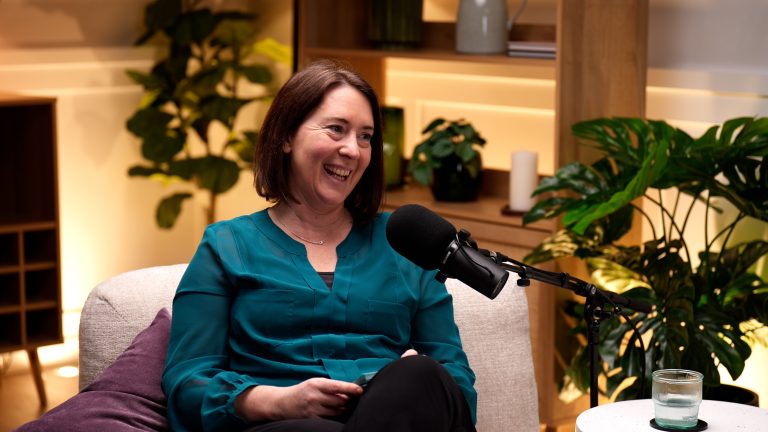
In this Ask Becky Anything episode of Accelerating Your Wealth, Rebecca Robertson answers a question from Sam Barefoot, who asks what advice she would give to a 45-year-old woman who has never really got to grips with pensions and wants to achieve financial stability by the time she reaches 60.
Rebecca’s message is simple: start where you are, focus on what you can afford and take action rather than becoming overwhelmed by how much you feel you should have saved already.
Start With Financial Stability
Before thinking about how much you need in a pension, Rebecca recommends looking at the bigger financial picture.
One of the first things she considers when financial planning is whether someone has a secure roof over their head.
Ideally, this could mean owning a property with the mortgage paid off by retirement. For some women, however, getting to this position can be complicated by divorce, separation, career breaks, or other major life changes.
These circumstances can leave people asking whether they should prioritise buying a home or paying more into their pension.
If you can do both, that can provide a strong foundation. But if you have to prioritise, your personal circumstances will determine which approach makes the most sense.
Why Housing Costs Matter in Retirement
Housing can have a major impact on how much money you need in retirement.
If your mortgage has been paid off by the time you retire, a significant monthly expense disappears. But if you are still renting, part of your retirement income will need to continue covering your housing costs.
That means you may need a larger pension pot to support the same standard of living.
For example, someone who needs £2,000 a month to cover their retirement lifestyle will have very different financial requirements depending on whether they own their home outright or still have to pay rent.
This is why there is no single pension figure that will work for everyone.
Don’t Panic About How Much You Need to Save
The question of how much is “enough” can cause people to panic.
If you reach 45 without a pension and start looking at retirement projections, the figures can initially seem overwhelming.
Rebecca’s advice is not to let that stop you from taking the first step.
Instead, look at what you can realistically afford to contribute now.
You may not be able to put hundreds of pounds into a pension every month immediately, but starting with an affordable amount is better than putting it off indefinitely.
The important thing is to get started.
Review Your Finances Regularly
Starting a pension contribution is not the end of the process.
Rebecca recommends setting a date in your diary every few months to review your finances.
Look at your budget and spending and ask yourself whether there is anything you can reduce or redirect towards your pension.
Your circumstances may change over time, meaning the amount you can afford to save today may not be the same amount you can afford in six months or a year.
A regular review gives you the opportunity to increase your contributions gradually as your finances improve.
Think About Your Future Self
Rebecca uses an interesting comparison when discussing the importance of prioritising retirement savings.
If your children needed an extra £100 a month for a hobby or activity, would you find a way to pay for it?
For many parents, the answer would be yes.
The challenge is creating the same emotional connection with your own long-term financial security.
Retirement can feel distant when you are 45. Your immediate financial commitments, family expenses and everyday spending can all feel more important.
But putting off pension planning can mean creating a situation where you have to rely on your children financially later in life.
Planning for retirement is therefore not just about yourself. It can also help protect your future relationship with your family.
Start With an Amount You Can Afford
If you have never invested into a pension before, getting started can seem complicated.
Rebecca suggests beginning with an amount that feels manageable.
You might choose to start with a small monthly contribution rather than waiting until you can afford what you think is the “right” amount.
The key is to create the habit.
Once you have started, you can review your budget and look for opportunities to increase the contribution over time.
Small increases can make a difference when they are maintained consistently over several years.
Where Should You Start If You Know Nothing About Pensions?
For someone who feels completely unsure about where to begin, Rebecca suggests starting somewhere familiar.
That could mean looking at pension or investment options offered by your bank or an established provider you already know and trust.
That does not necessarily mean the provider will be the cheapest or the most suitable option. Familiarity simply removes one of the barriers that can prevent people from taking their first step.
Once you have opened an account and started investing, you can begin learning more.
Spend some time understanding the terminology and researching how pensions and investments work. Even half an hour every month or every couple of months can help you become more confident.
The important thing is to move from doing nothing to becoming engaged with your finances.
When Should You Consider Financial Advice?
There is also the choice of speaking to a regulated financial adviser.
Professional financial advice can be particularly valuable when you have more complex circumstances or need help developing a longer-term retirement strategy.
However, Rebecca acknowledges that regulated advice may not feel cost-effective for someone who is only able to invest a small amount each month.
That is one of the reasons Accelerating Your Wealth aims to help people understand the basics and become more confident about making initial financial decisions.
As your pension and investments grow and your financial circumstances become more complex, professional advice may become increasingly valuable.
It’s Not Too Late to Start
Having no pension at 45 may not be where you hoped you would be, but it does not mean you should give up on the idea of retiring at 60.
The first step is to understand your current position.
Consider your housing situation, income, spending, savings and how much you could realistically contribute towards a pension.
Then start.
You can increase your contributions as your circumstances allow and review your progress regularly.
The most important thing is not to become paralysed by the amount you think you should already have saved.
Your financial position today is simply the starting point.
Taking action now gives you 15 years to build towards your retirement goals rather than reaching 60 and wishing you had started sooner
Rebecca Robertson in the Accelerating Your Wealth podcast.