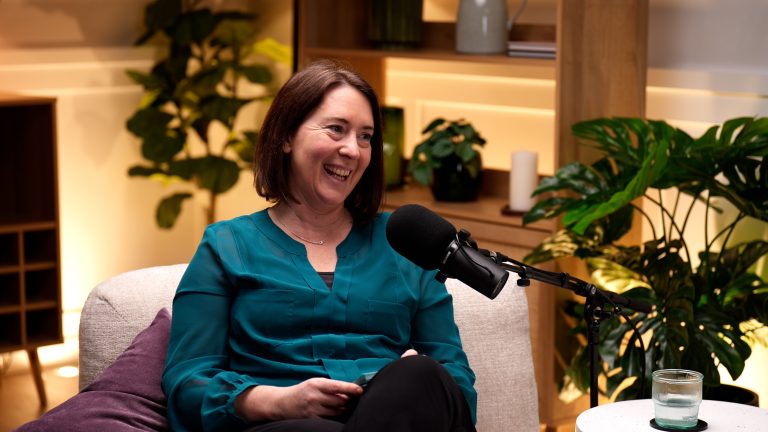

Welcome to another edition of Ask Becky Anything, hosted by Rebecca Robertson—Independent Financial Advisor, Wealth Coach, and Director of Evolution Financial Planning.
In this episode, Rebecca tackles two common financial dilemmas facing business owners and individual savers: whether a business is truly a pension plan, and how to transition safely from holding cash to investing in the stock market.
1. Pensions and Exit Strategies for Entrepreneurs
Many self-employed individuals and business owners put off planning, assuming their business will serve as their retirement plan.
Why Your Business Might Not Be Your Entire Pension
Relying solely on a business sale to fund retirement carries significant risk:
- Valuation Uncertainty: Unless a business owns hard assets (such as commercial property) or has recurring contractual revenue (such as accounting or financial planning firms), valuing it can be difficult.
- Structure Constraints: Many small businesses, solo operations, or small teams rely heavily on the founder’s personal brand, making the company hard to sell without them.
- Market & Regulatory Risks: Industry regulations and market conditions can change unexpectedly, impacting what a buyer is willing to pay.
The Solution: Diversify. Even if you plan to sell a business or property, set up a parallel pension. Pensions offer crucial tax wrappers that protect and grow your funds independently of your business performance.
Tax Benefits of Company Pensions
For limited company directors, making pension contributions directly from the business bank account offers key tax benefits:
- Corporation Tax Relief: Direct employer contributions are often treated as allowable business expenses, reducing overall corporation tax liabilities.
- Tax-Free Growth & Access: Funds grow in a tax-advantaged environment, with standard rules currently allowing access from age 58 (including a 25% tax-free lump sum).
Actionable Next Steps for Business Owners
- Don’t Beat Yourself Up: Procrastination is common. Focus on taking small, manageable steps now rather than dwelling on lost time.
- Start Small: Open a pension scheme through a bank, online platform, or financial advisor. Committing even £50 a month gets the habit started.
- Set a Review Date: Revisit your contributions every six months to adjust as business cash flow grows.
2. Shifting from Cash ISAs to Investing: How to Start Safely
Holding cash in a high-street building society or a cash ISA offers safety, but low interest rates may not maximise long-term wealth growth relative to inflation. Moving into stocks and shares can feel daunting, but it doesn’t have to be an all-or-nothing decision.
Key Considerations Before Investing
- Time Horizon: Only invest money you do not need for at least 5 years. Short-term market fluctuations require time to smooth out.
- Capital at Risk: Market investments fluctuate. Never invest money that is essential for immediate living costs or short-term emergencies.
- Compound Growth over Time: While past performance isn’t a guarantee, broad, diversified stock market portfolios historically outperform cash savings over long time horizons (e.g., 10+ years).
How to Build Confidence as a First-Time Investor
- Dip a Toe in the Water: If you are planning to invest a specific amount (e.g., £3,000), start by investing just one-third of it. Use this smaller sum to get comfortable with market movements over 6 to 12 months.
- Use Familiar Platforms: Starting with an existing bank or a well-known, regulated investment platform can lower the friction of getting started.
- Understand the Fee Structure:
- Platform Charges: The fee paid to the platform host (typically around 0.1% to 0.5%).
- Fund/Management Fees: The ongoing charge for the underlying investments or funds.
Final Thought
Whether you are an entrepreneur looking to secure your retirement or a saver wanting your money to work harder, taking action starts with small, deliberate choices. Diversifying your assets between business growth, property, pensions, and stock market investments provides a safety net against market shifts.
Rebecca Robertson in the Accelerating Your Wealth podcast.